
The Mist, the Mountains, and the Magic
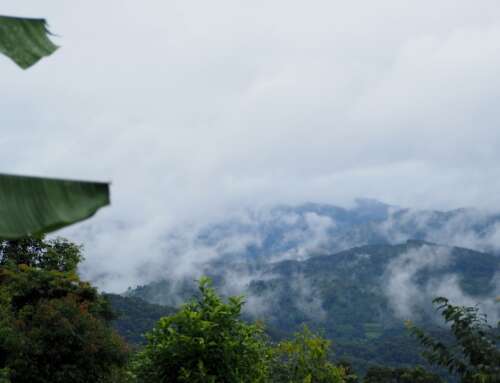
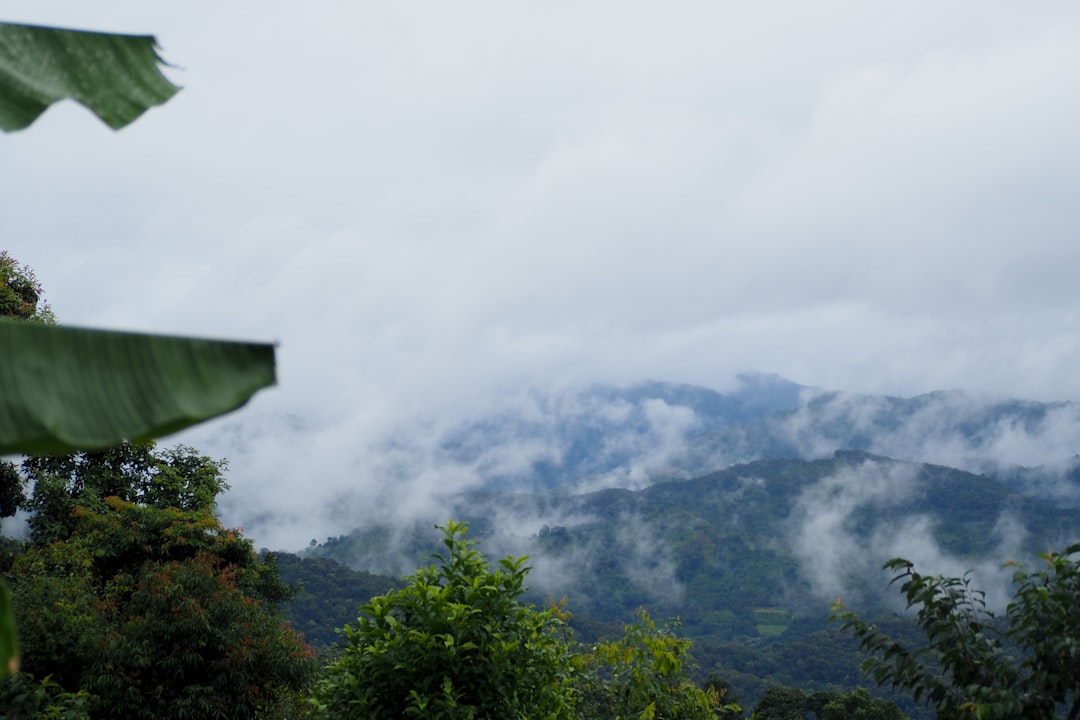
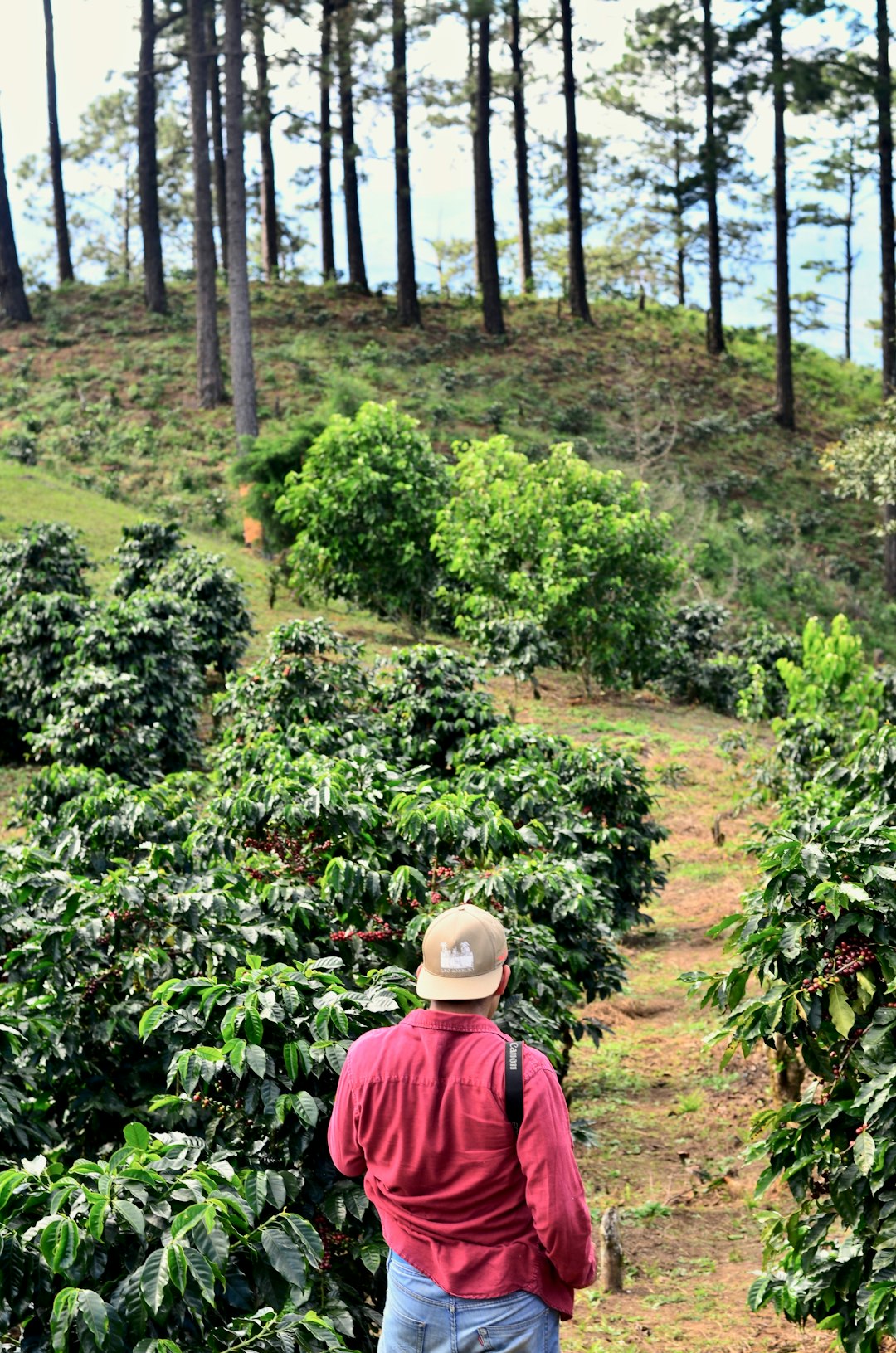
Imagine standing at the highest peak of the Blue Mountains in Jamaica just as the sun begins to rise. A thick, ethereal mist clings to the steep slopes, shielding the delicate coffee trees from the harsh Caribbean sun. This isn’t just a scenic vista; it is the unique micro-climate that produces what many consider the finest coffee in the world. As a family-owned business that has been sharing this treasure since 1999, we at CafeKingston often get asked: what exactly makes [[JBM_MAIN]] so special?
It isn’t just one thing. It is a perfect harmony of volcanic soil, high altitude, and the meticulous care of generations of Jamaican farmers. For those of us who live and breathe coffee, the experience of a properly brewed cup of Blue Mountain coffee is more than just a morning routine—it is a sensory journey. In this guide, we will explore the heritage, the brands, and the secrets to identifying the real deal in a market often crowded with imitations.
What Defines True Jamaican Blue Mountain Coffee?
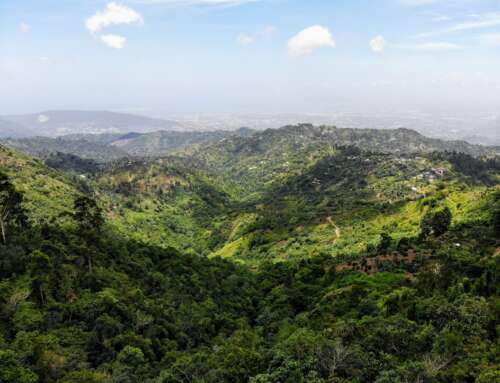
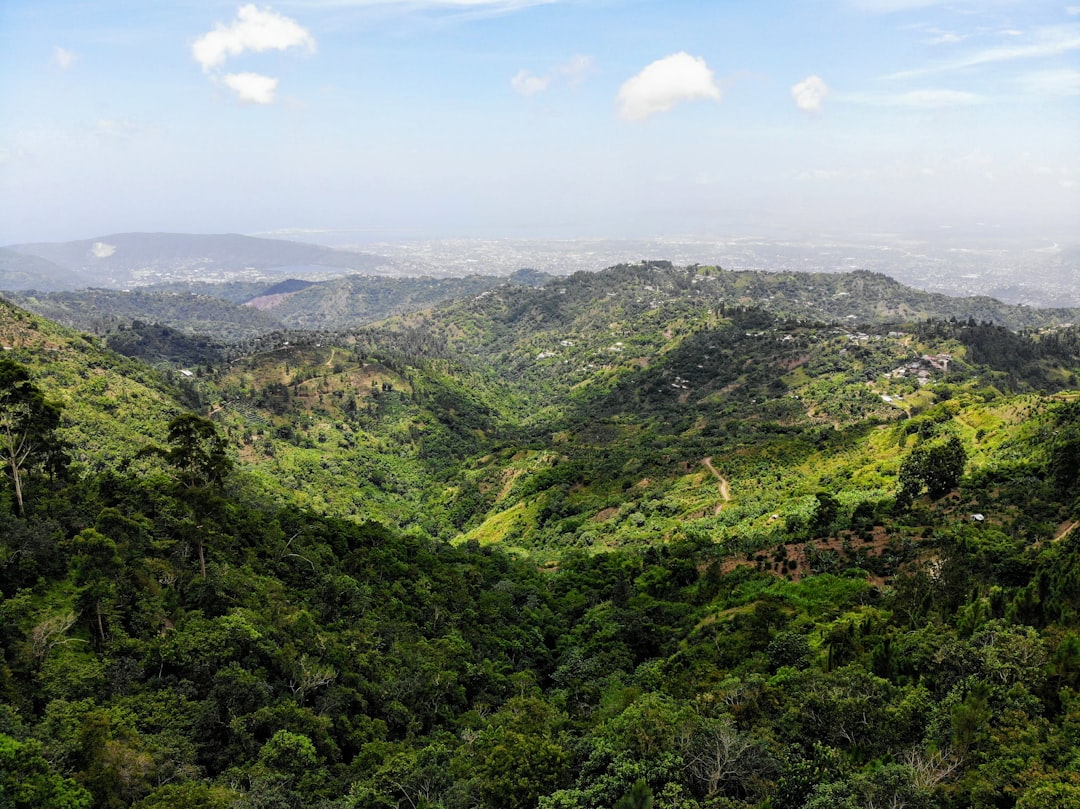
Not all coffee grown in Jamaica can claim the title of ‘Blue Mountain.’ The name is legally protected, much like Champagne in France. To be certified, the coffee must be grown within a specific geographic area in the parishes of Saint Andrew, Saint Mary, Saint Thomas, and Portland. More importantly, it must be cultivated at elevations between 3,000 and 5,500 feet.
The high altitude slow-mixes with the cool, misty climate, extending the maturation period of the coffee cherry. While other coffees might ripen quickly, the beans in the Blue Mountains take their time, absorbing more nutrients and developing a complex flavor profile that is remarkably smooth and devoid of the bitterness found in lesser beans. This rigorous standard is monitored by the [[JACRA_AUTH]], ensuring that every barrel exported meets the highest quality expectations.
The Role of Volcanic Soil
The soil in the Blue Mountains is rich in nitrogen and phosphorus, thanks to its volcanic origins. This nutrient-dense earth provides the trees with everything they need to produce beans with a high density. When you hold a handful of green [[JBM_MAIN]] beans, you can feel the weight and quality that sets them apart from mass-produced varieties.
Identifying Authenticity: Don’t Be Fooled by ‘Blends’
As the popularity of this coffee grew, so did the number of ‘Blue Mountain Style’ blends. For a coffee lover, there is a massive difference between a 100% authentic product and a blend that contains only a fraction of the real beans. When you shop with [[CAFE_KINGSTON_HOME]], you are getting the assurance of a company that pioneered the online sale of these beans over two decades ago.
Always look for the official seal of certification. Authentic beans are traditionally shipped in iconic handmade wooden barrels rather than burlap sacks. This tradition preserves the moisture content and protects the beans from external odors during transit. If the price seems too good to be true, it likely isn’t 100% pure Blue Mountain coffee.
The Names You Need to Know: JABLUM, Wallenford, and More
When you dive into the world of premium Jamaican coffee, a few names stand out as pillars of quality. Each estate has its own subtle nuances, much like different vineyards in a famous wine region.
- JABLUM: Perhaps the most recognizable name globally, [[JABLUM_BRAND]] is synonymous with the classic Blue Mountain profile. It offers a bright, floral aroma with a balanced body that remains consistent cup after cup.
- Wallenford: With a history dating back to the 18th century, [[WALLENFORD_BRAND]] is one of the oldest and most respected estates. Their beans are known for a slightly more intense, chocolatey finish.
- Jah B: For those who prefer a small-batch, artisanal approach, Jah B provides a unique farm-to-cup experience that captures the raw essence of the mountains.
At CafeKingston, we take pride in offering a curated selection of these respected brands. Being a Jamaican-owned business, we have personal relationships with the producers, ensuring that what arrives at your doorstep is fresh and genuine.
The Tasting Experience: What to Expect
So, what does a $50 cup of coffee taste like? The first thing you will notice is the aroma—it is incredibly sweet and floral, often compared to jasmine or herbs. On the palate, the coffee is remarkably clean. There is a natural sweetness that often eliminates the need for sugar. Many enthusiasts describe a ‘creamy’ mouthfeel and a subtle acidity that tingles the tongue without being sharp. The finish is long and smooth, leaving a pleasant aftertaste that lingers long after the last sip.
Brewing Your Blue Mountain Coffee Like an Expert
You have invested in the best beans in the world; now, it is important to treat them with respect. To extract the full range of flavors from [[JBM_MAIN]], your brewing method matters. While a standard drip machine will work, we recommend methods that allow for more control.
The French Press Method
The French Press is excellent for Blue Mountain coffee because it allows the natural oils—where much of the flavor resides—to remain in the cup. Use a coarse grind and water just off the boil (about 200°F). Steep for four minutes before plunging. This produces a rich, full-bodied cup that highlights the bean’s natural sweetness.
The Pour-Over Technique
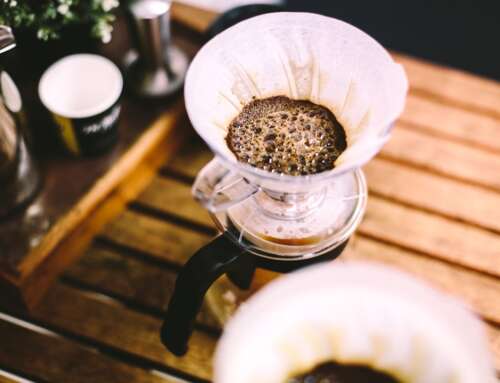
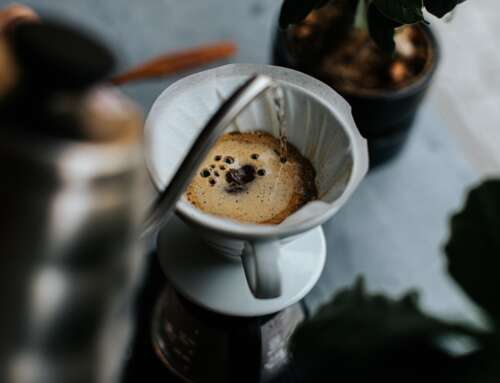
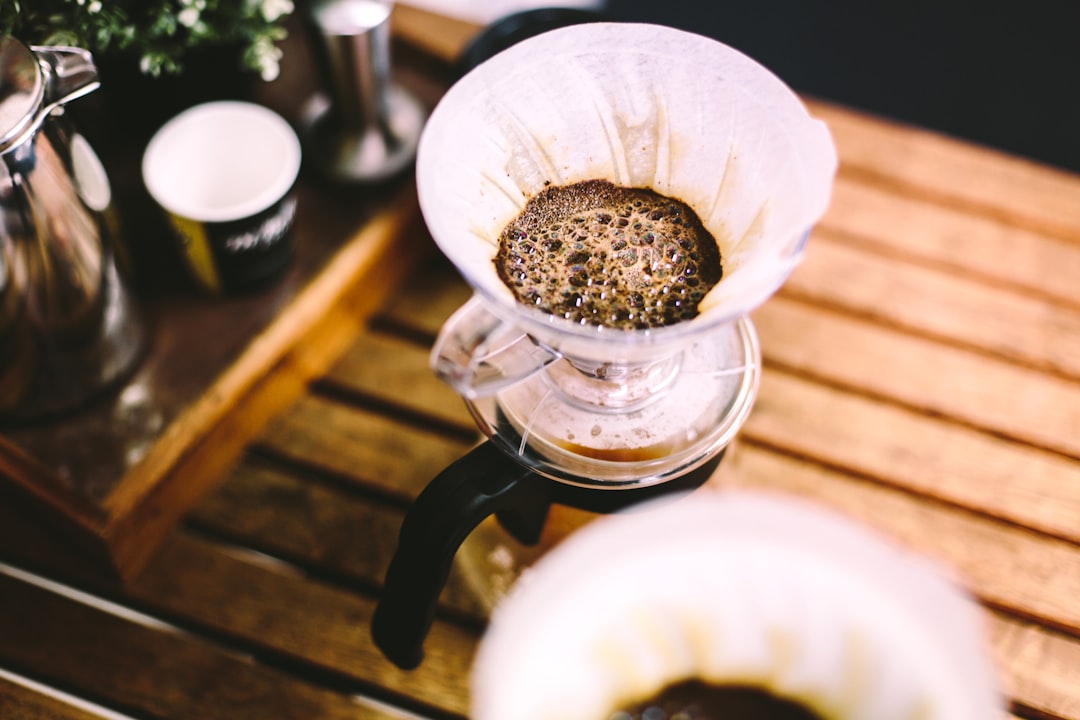
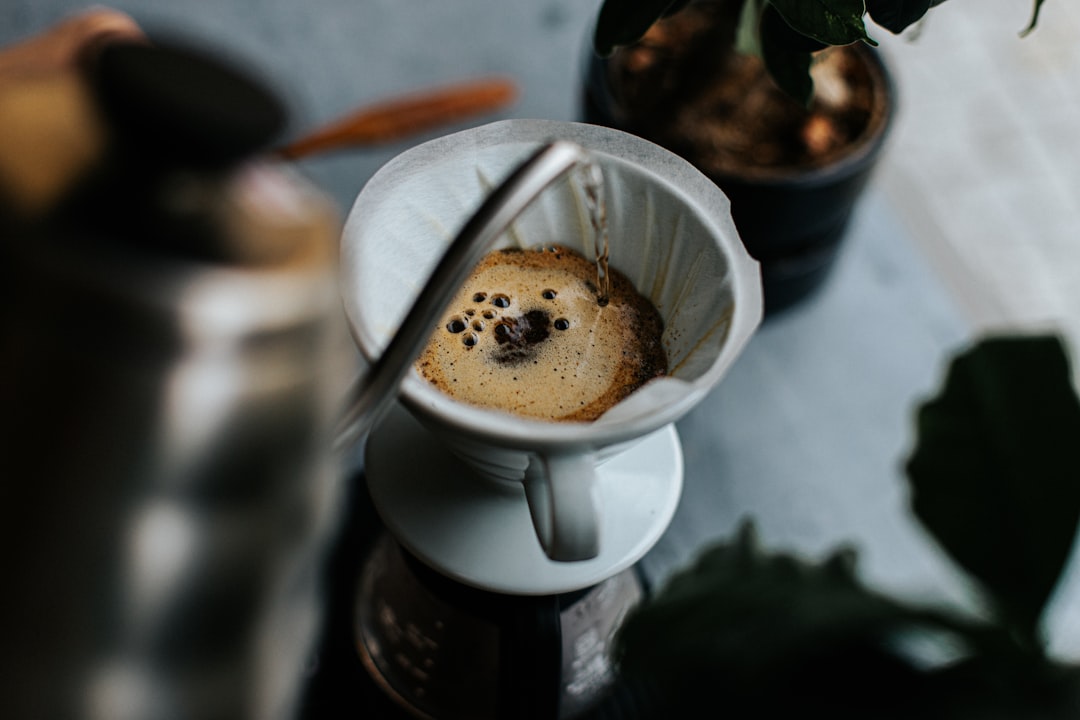
If you prefer a cleaner, more delicate cup, the pour-over method (using a V60 or Chemex) is ideal. This method highlights the floral and citrus notes. Be sure to wet your paper filter first to remove any papery taste, and pour the water in slow, concentric circles.
Water Quality and Storage
Never use tap water if you can avoid it. Since a cup of coffee is 98% water, using filtered or spring water will make a noticeable difference. As for storage, keep your beans in a cool, dark place in an airtight container. While we ship our coffee in vacuum-sealed bags to ensure freshness, once opened, the clock starts ticking on those delicate aromatics.
A Family Legacy of Quality
When my family started CafeKingston in 1999, our goal was simple: to make the authentic taste of our home accessible to the world. We saw too many people being sold inferior products under the ‘Blue Mountain’ name. We wanted to bridge the gap between the hardworking farmers in the hills of Jamaica and the coffee lovers in New York, London, Tokyo, and beyond. Today, that mission remains the same. Whether you are buying a gift for a loved one or treating yourself to a luxury experience, you are supporting a tradition that has defined Jamaican culture for centuries.
Conclusion
Jamaican Blue Mountain Coffee is more than just a beverage; it is a testament to what happens when nature and craftsmanship collide. From the misty peaks to your morning mug, every step of the process is handled with a level of care rarely seen in the modern world. If you are ready to experience the ‘Champagne of Coffee’ for yourself, we invite you to explore our collection of authentic, estate-grown beans. Visit us at https://www.bluemountaincoffee.com.jm and discover why we have been the trusted source for the world’s finest coffee for over twenty years.